Phuket Old Town and Peranakan Heritage
Travel Tips
3
Minutes Reading Time

Phuket Old Town and Peranakan Heritage

The history of Phuket Old Town: Baba-Nyonya heritage, Sino-Portuguese shophouses, Chinese shrines, Thai Hua Museum and Hokkien food.

Andaman Surprise Team
·
October 14, 2026

Phuket Old Town's heritage comes from the Baba-Nyonya, or Peranakan, community: descendants of 19th-century Chinese tin miners who married local Thai women. Their Sino-Portuguese shophouses line Thalang Road, Soi Rommanee, Krabi Road and Dibuk Road. This guide is the history behind the walk. For the practical visit, use our Phuket Old Town guide.
‍

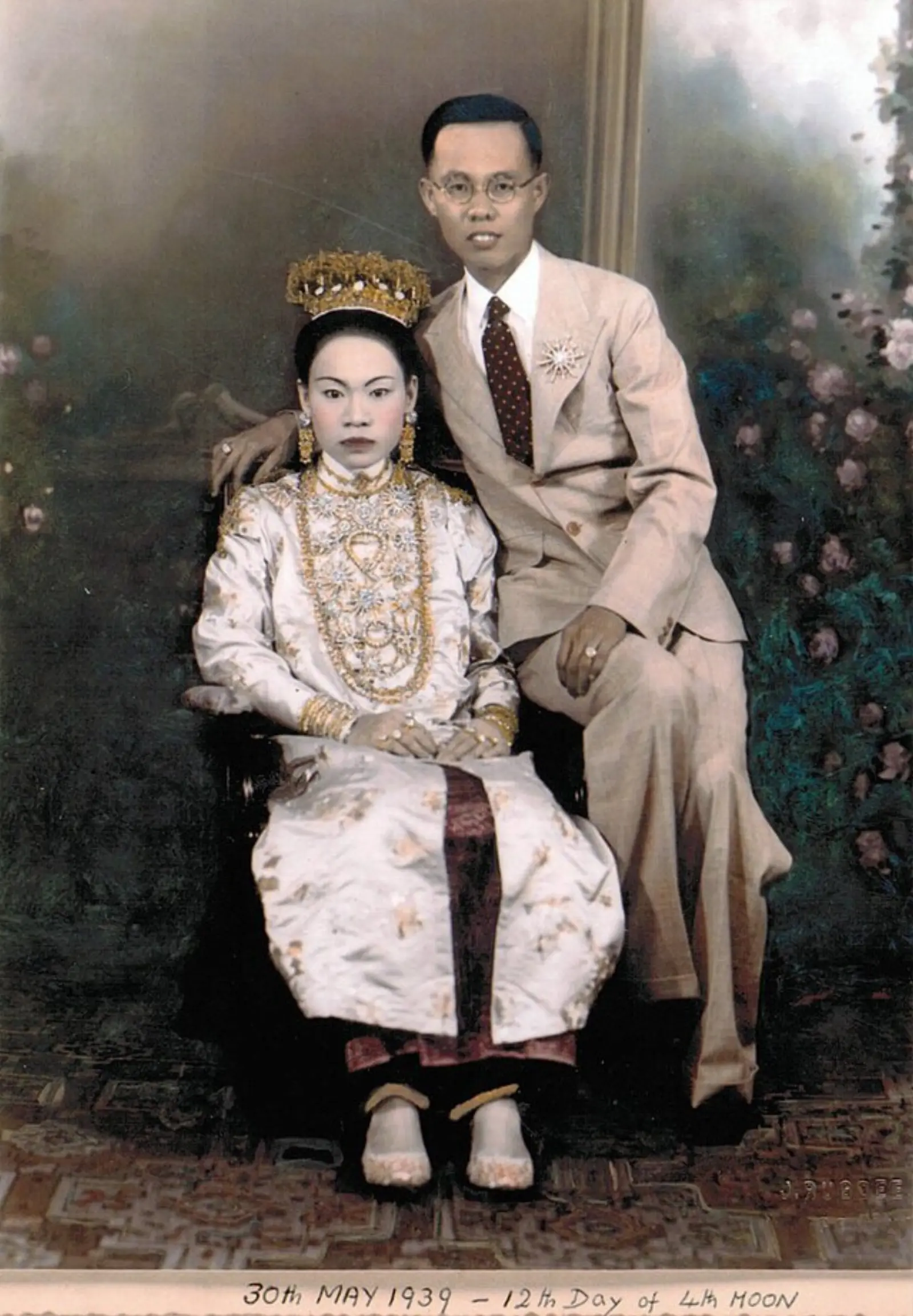
Historic 1939 studio portrait of a Peranakan couple in Phuket, with the woman wearing traditional ornate bridal attire and the man in a formal Western suit.
A 1939 portrait of a Peranakan couple in Phuket, reflecting the island’s Baba-Nyonya heritage through traditional bridal attire and Western-influenced formalwear. Photo credit: Phuket Insider.

‍

Peranakan Phuket at a glance

‍

TopicDetail
WhoBaba-Nyonya (Peranakan): descendants of Chinese tin miners and local Thai women
WhereThalang Road, Soi Rommanee, Krabi Road, Dibuk Road
MuseumPhuket Thai Hua Museum, Krabi Road (school building from 1911)
ShrinesJui Tui, Bang Neow, Sang Tham
FoodMee hokkien, moo hong, dim sum

‍

Who were the Baba-Nyonya?

‍

Baba-Nyonya are descendants of Chinese miners who came for tin in the 1800s and married local women. Their culture blends Hokkien Chinese and Thai ways. Phuket Town was founded in 1827 as a tin hub, which is why the Old Town has this character. The wider story is in how Phuket became multicultural.

‍

The shophouses

‍

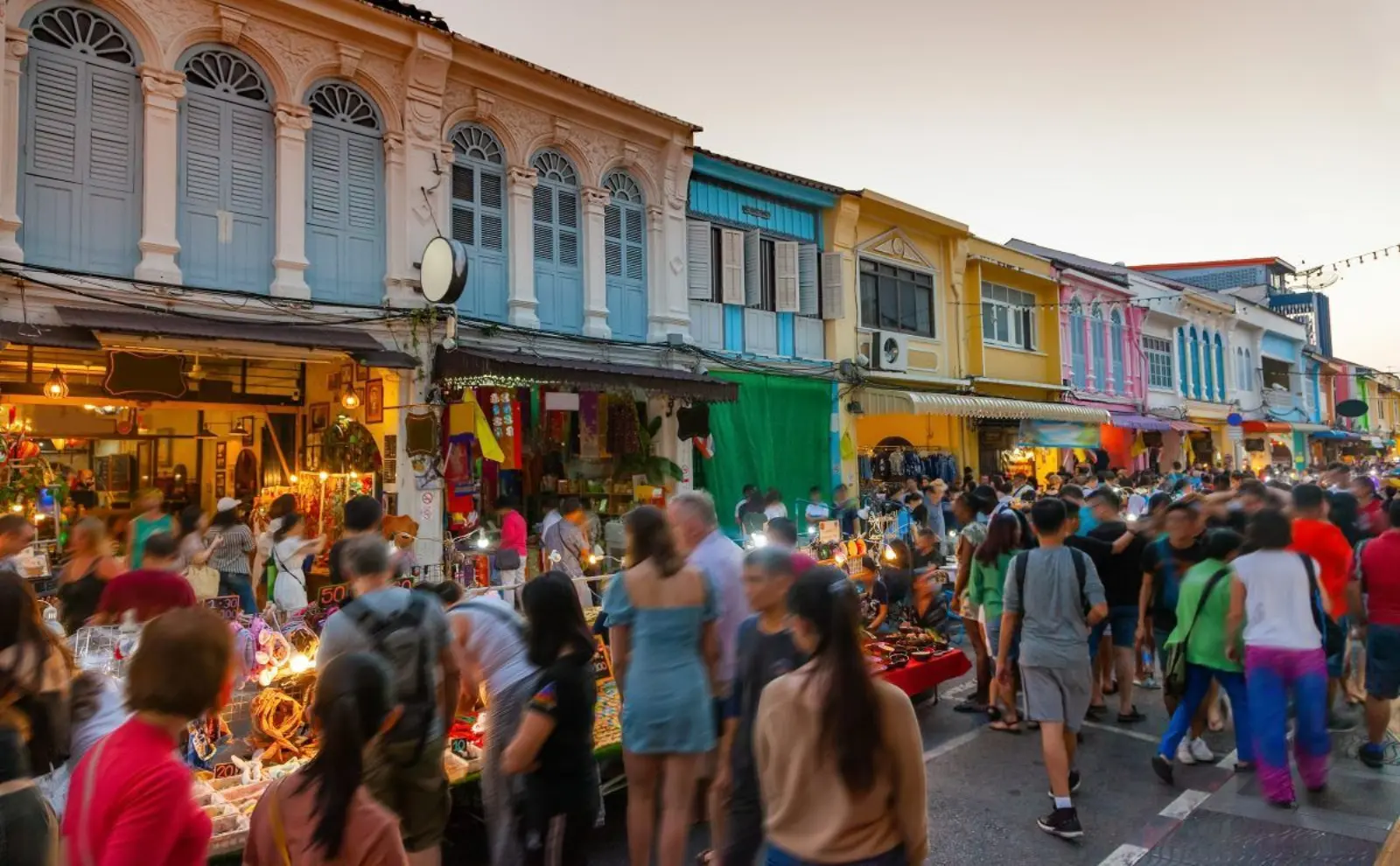
Phuket Old Town night market with crowds browsing street stalls among colorful Sino-Portuguese heritage buildings.
A lively evening market in Phuket Old Town, with visitors exploring local food and shopping stalls surrounded by colorful Sino-Portuguese architecture. Photo credit: Thailand Awaits.

‍

Sino-Portuguese shophouses combine Chinese plans with European decoration. Look for them on Thalang Road, Soi Rommanee, Krabi Road and Dibuk Road. Soi Rommanee was historically a red-light district and is now guesthouses and galleries. The Phuket Thai Hua Museum on Krabi Road is in a Chinese school building founded in 1911.

‍

Shrines in the Old Town

‍

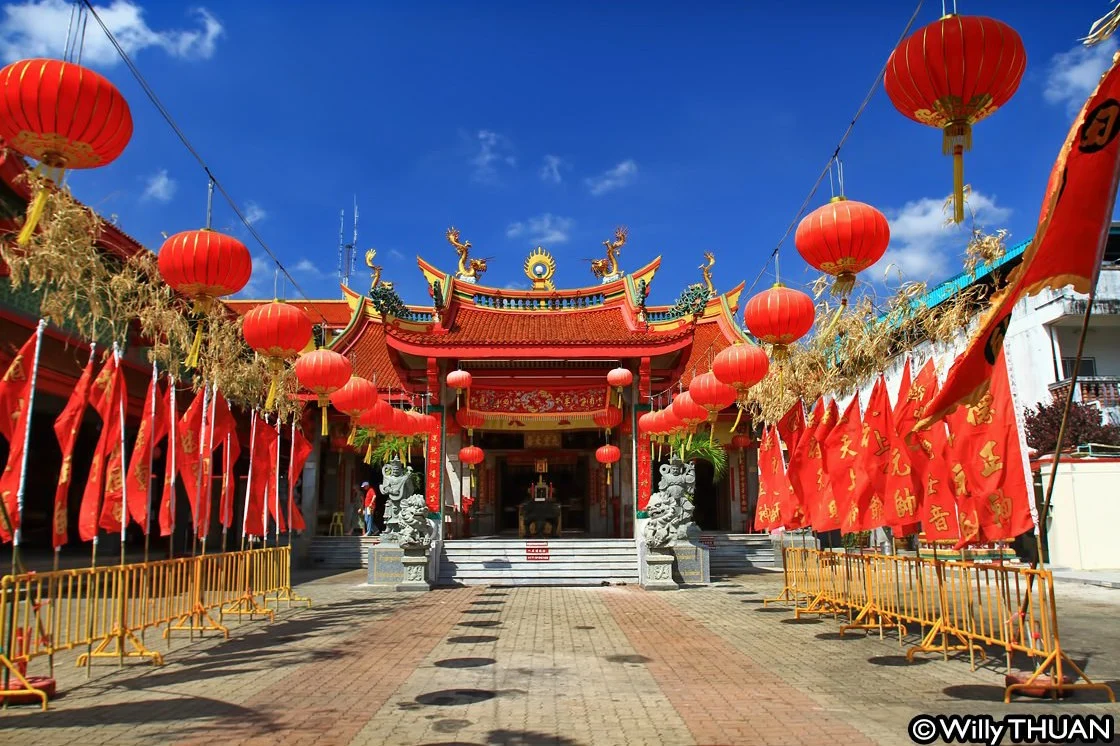
Jui Tui Shrine in Phuket, Thailand, decorated with red lanterns and ceremonial flags for the Phuket Vegetarian Festival.
Jui Tui Shrine in Phuket, one of the city’s most important Chinese temples and a key center of the Phuket Vegetarian Festival. Photo credit: Phuket 101 / Willy Thuan.

‍

About ten Chinese shrines sit in the Phuket Town area. The two largest are Jui Tui and Bang Neow, and Sang Tham Shrine sits off Phang Nga Road. They are working shrines, so go quietly. In October they are at the heart of the Phuket Vegetarian Festival.

‍

Peranakan food

‍

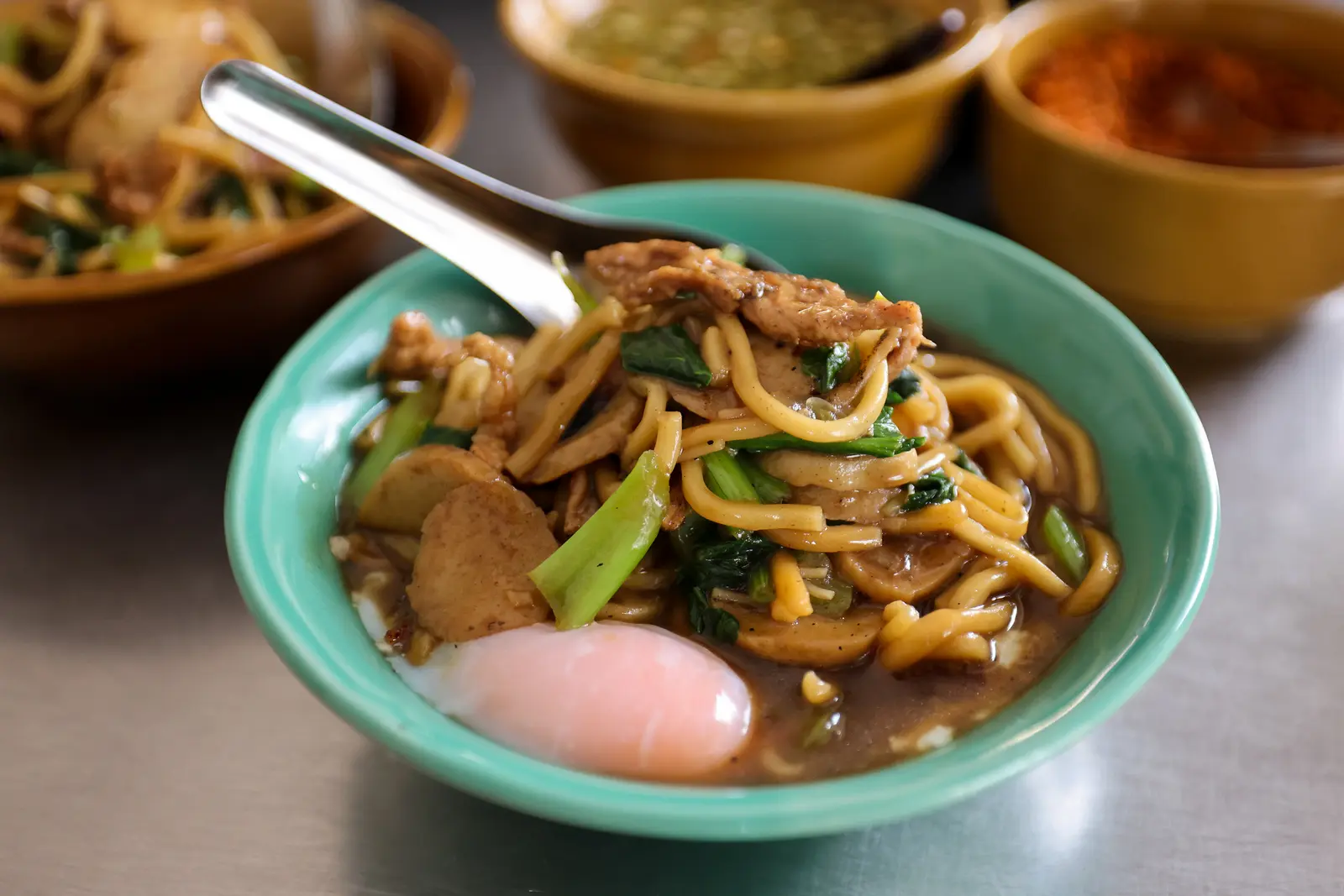
Close-up of Phuket-style Hokkien noodles with pork, vegetables, fish balls, and a soft-boiled egg in a savory sauce.
Phuket-style Hokkien noodles served with pork, vegetables, fish balls, and a soft-boiled egg in a rich savory sauce. Photo credit: Mark Wiens.

‍

The Hokkien kitchen gave Phuket mee hokkien, moo hong and dim sum, which use pork. Read pork in Phuket cuisine for how to eat them respectfully, and the Phuket local food guide for the dishes.

‍

Walk it on a Sunday

‍

Lard Yai, the Sunday Walking Street on Thalang Road, is the easiest way to see the street full of life. Check hours before you go.

‍

Return to the master Phuket areas, history and food guide.

‍

Phuket Old Town heritage: frequently asked questions

What does Baba-Nyonya mean?

Baba-Nyonya are descendants of 19th-century Chinese miners who married local Thai women.

What is a Sino-Portuguese shophouse?

A shophouse that combines Chinese layout with European decoration, found on Thalang, Krabi and Dibuk roads.

What is the Phuket Thai Hua Museum?

A museum on Krabi Road in a Chinese school building founded in 1911.

What are the main shrines in Phuket Town?

Jui Tui and Bang Neow are the two largest, and Sang Tham sits off Phang Nga Road.

‍

Ready to Experience the Islands?

Book your curated island tour with Andaman Surprise and make it a day to remember.

Explore Phuket with Andaman Surprise
Our purpose