

Phuket became multicultural over centuries. Malay and Muslim communities were among the earliest on the island, Hokkien Chinese came for tin, and Thai Buddhism runs through island life. Today you can visit a Chinese shrine, a mosque and a Buddhist temple in one day, and eat dishes that come from all three traditions.
Phuket's three main traditions at a glance
Malay and Muslim communities
Malays are the earliest recognised inhabitants of Phuket, and by the 1670s they were the majority in the seaports. Records from the same decade also name Muslim governors of the island. Many Phuket Muslim families were originally fishermen and orchard growers living near beaches that are now resorts, and Phuket Muslims speak Thai. Communities such as Kamala and Cape Panwa are largely Muslim today. Read our halal food guide for the food side of this story.
Chinese communities and the tin boom

Chinese investors became the main tin investors in the early 1700s, and Hokkien labourers and merchants followed after Phuket Town was founded in 1827. Their descendants who married local Thai women became the Baba-Nyonya community, whose shophouses define Phuket Old Town. Their shrines, such as Kathu, gave the island the Vegetarian Festival; see the festival guide and our Kathu guide.
Thai Buddhism
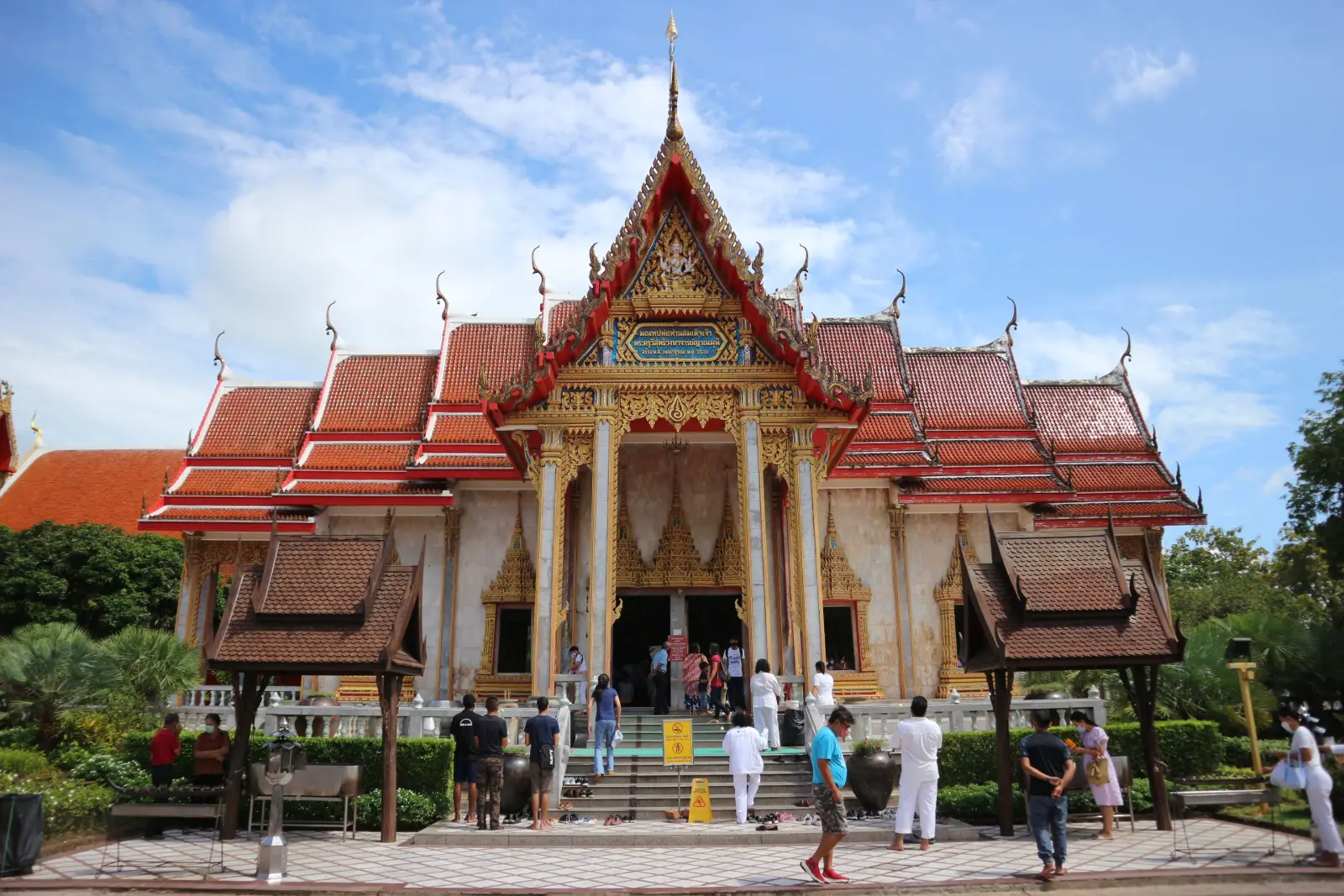
Thai Buddhism is part of daily life, and Wat Chalong is its best-known temple on the island. In 1876 its monks sheltered and treated people during the tin miners' rebellion, a story told in our Wat Chalong history guide. In the Chalong area, Thai Buddhist and Chinese traditions blend at the temple's firecracker kiln.
Living side by side
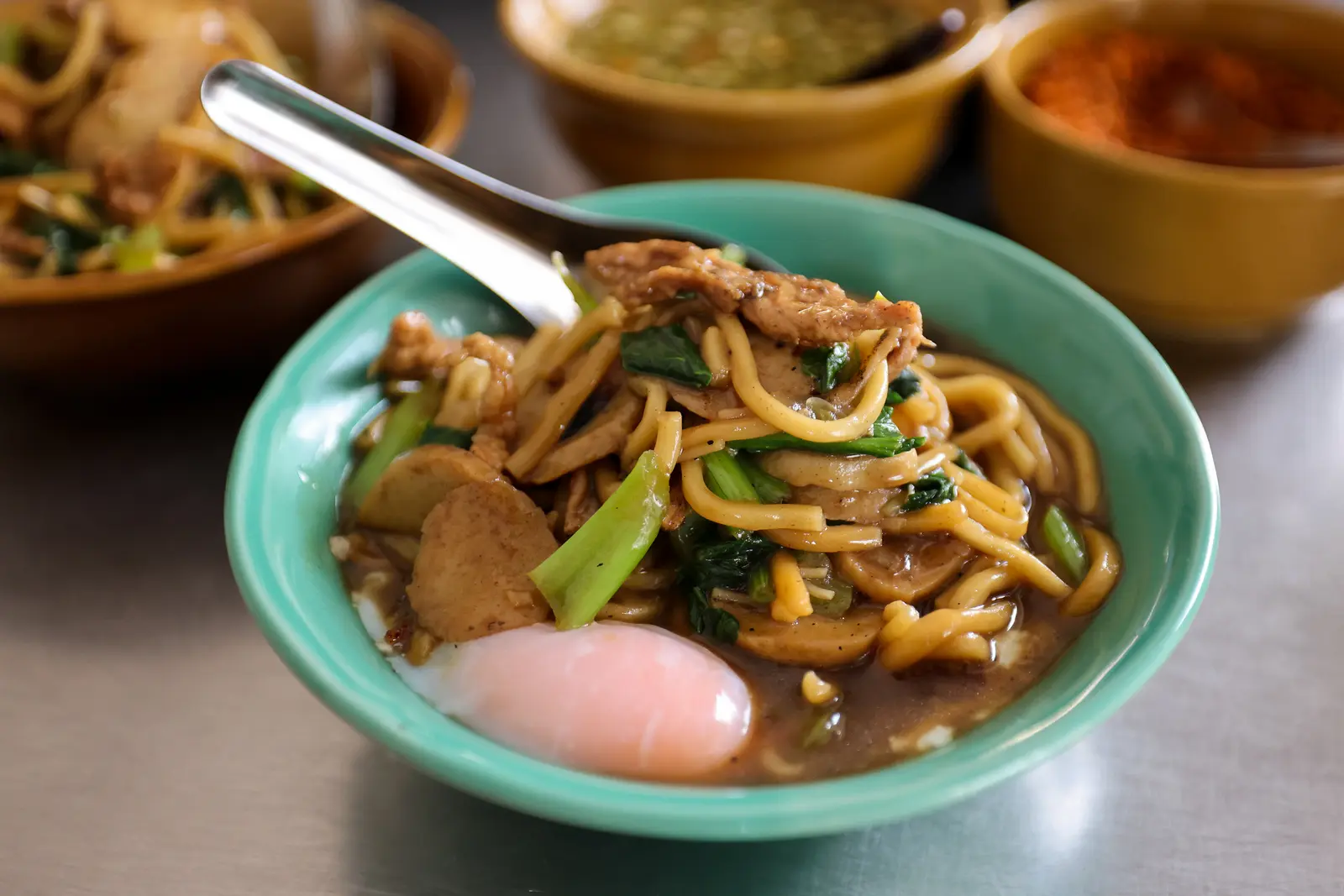
None of this is separate. Chinese shrines, mosques and temples share the same towns, and a Phuket menu can mix Hokkien noodles, Malay-style fish curry and southern Thai sour curry. Our guide to pork in Phuket cuisine shows how food follows the history.
A one-day route
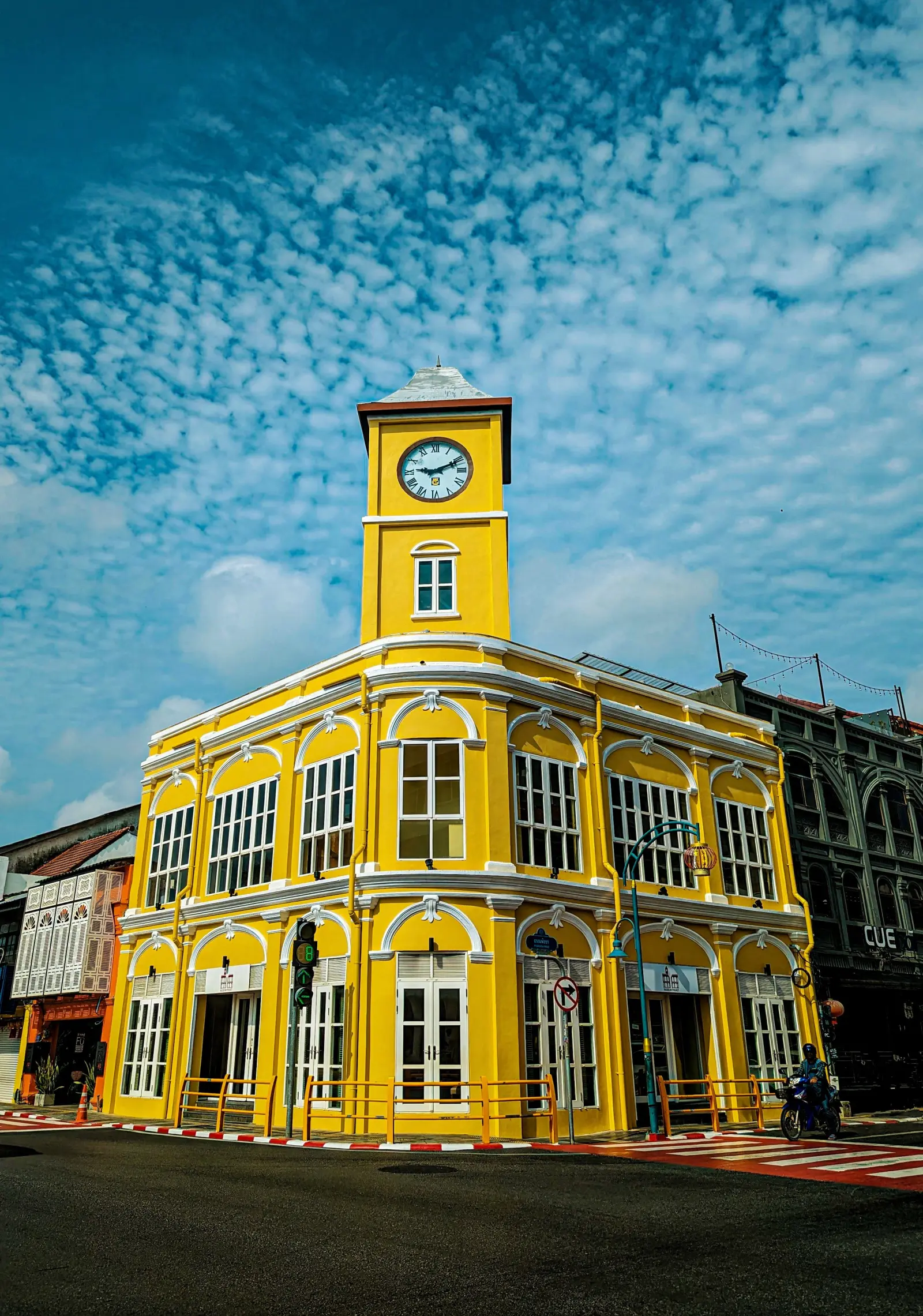
- Morning: Phuket Old Town and a Chinese shrine such as Jui Tui.
- Midday: a respectful look at a mosque such as Yameay in central Phuket Town. Ask first and avoid Friday prayers.
- Afternoon: Wat Chalong, covering shoulders and knees.
- Evening: dinner at a market zone. See Phuket local food.
On a boat day, the James Bond Island and Panyee Island tour includes lunch at Panyee, a village built on stilts over the water.
Return to the master Phuket areas, history and food guide.


