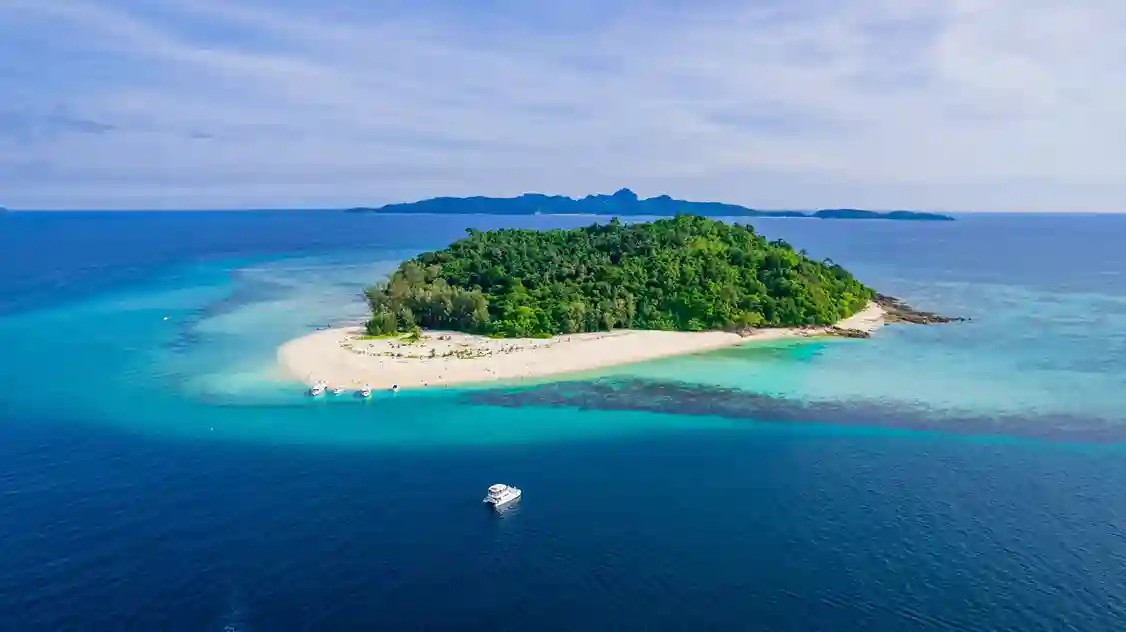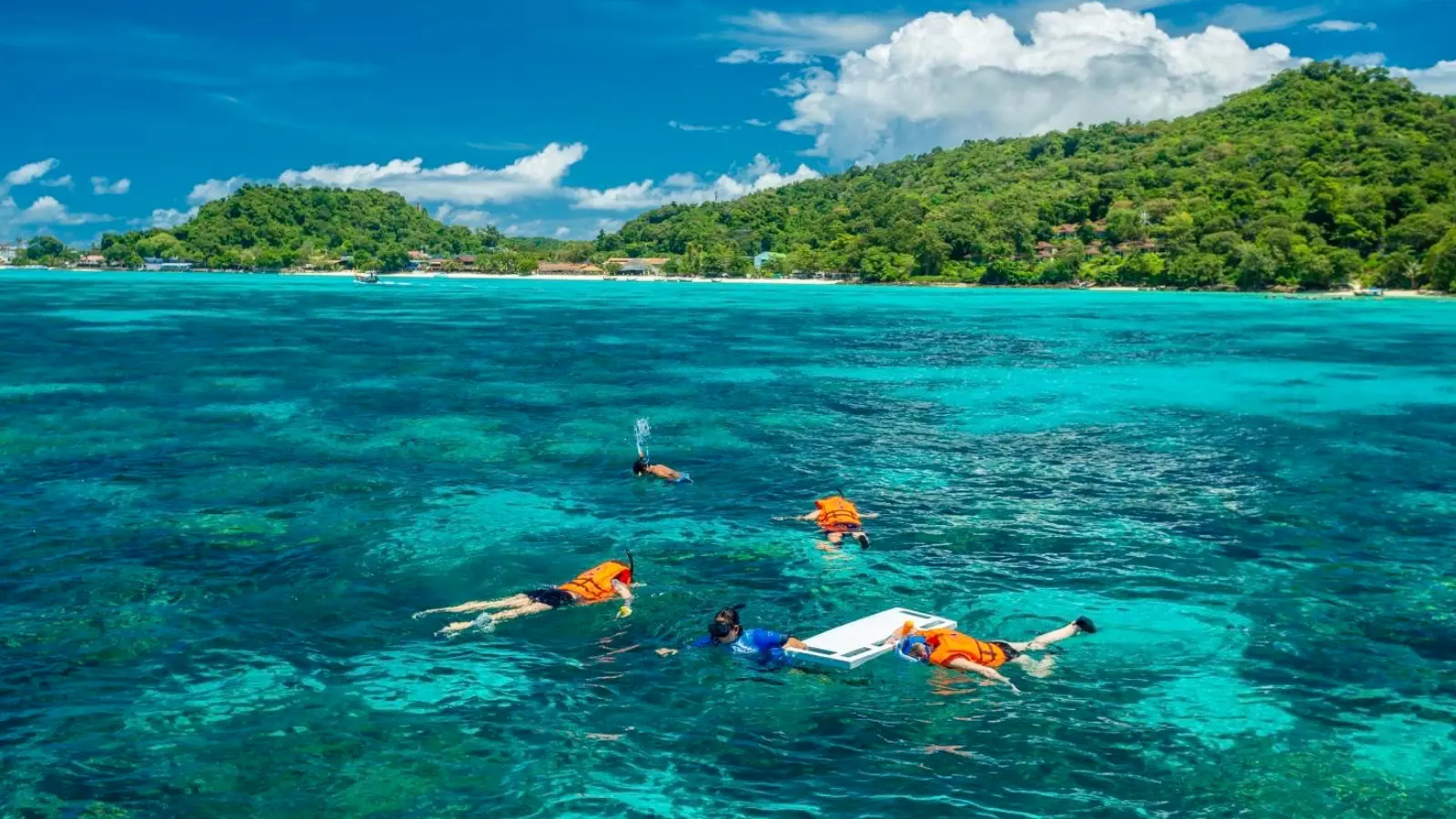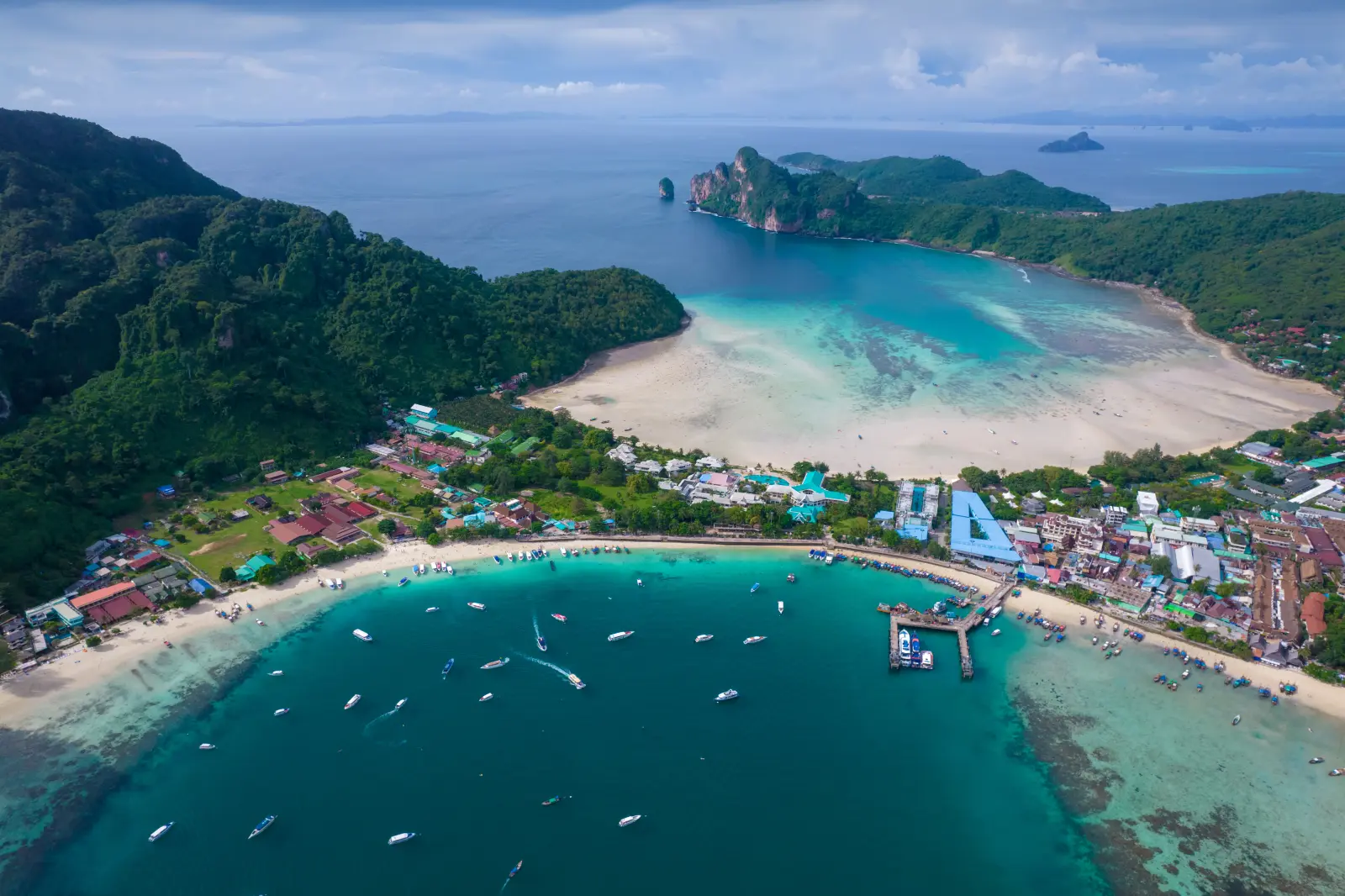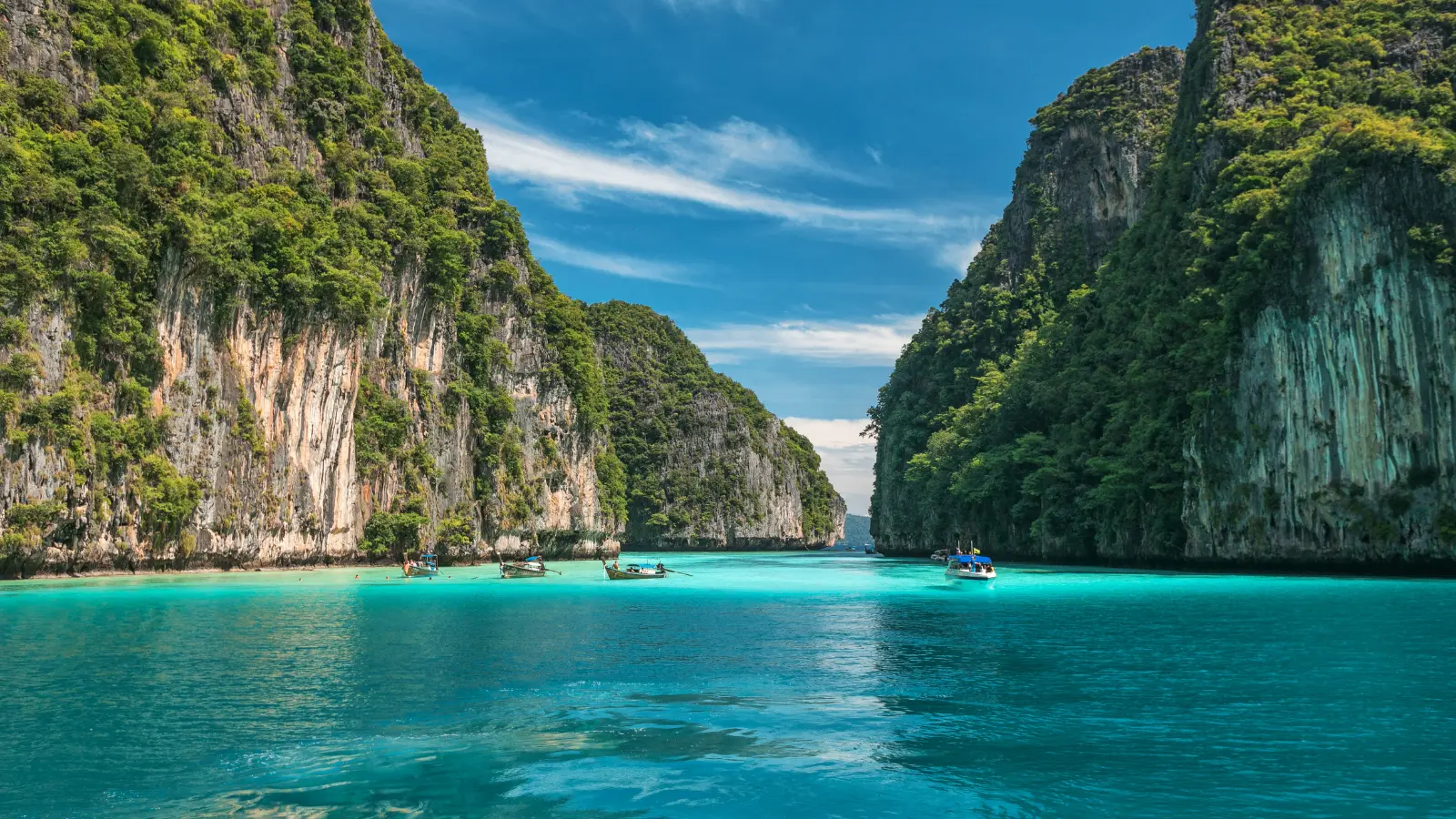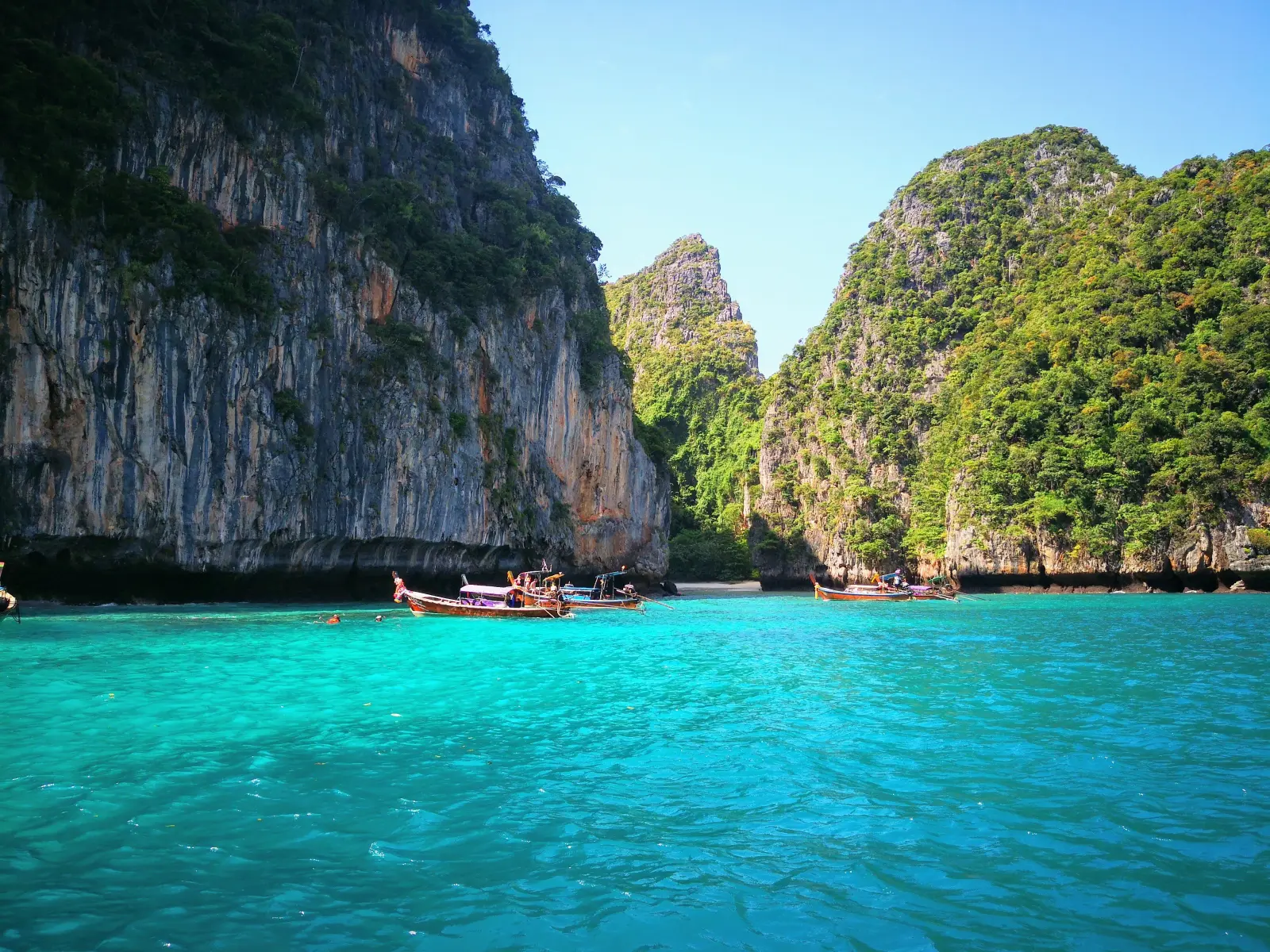
The main Phi Phi Island rules are simple: no swimming at Maya Bay, no feeding or touching wildlife, no single-use plastic or foam in national parks, and pay the national park fee. Boats are also limited in busy spots like Pileh Lagoon. These rules exist because Maya Bay had to close from 2018 to January 2022 after crowds and anchors damaged it.
This guide explains each rule and why it exists, and what we do on our Phi Phi & Bamboo Island tour to follow it.
Phi Phi Island rules at a glance
Why the rules exist: Thai tourism is adapting
Thai tourism has been changing for years. Phuket's first ethical elephant sanctuary opened in 2016 with no riding, at a time when about 30 elephant parks nearby mostly offered rides. Maya Bay followed the same pattern: up to 4,000 visitors a day, anchors damaging the sea floor, then a four-year closure and strict rules. The idea behind both is that the best experience comes from limits.
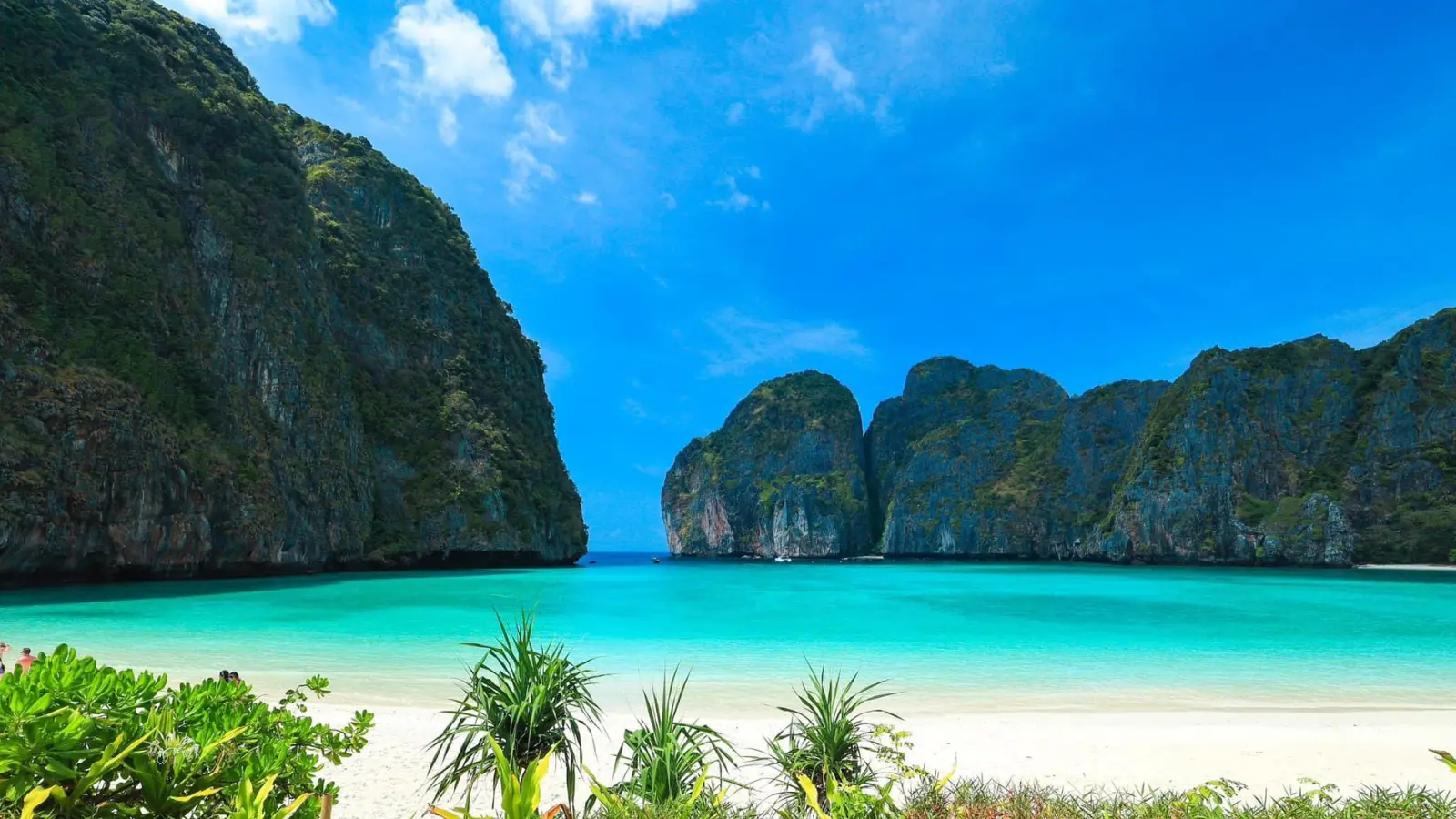
Maya Bay rules
- Swimming is not allowed. You can walk the beach and wade ankle-deep.
- Boats dock at Loh Samah Bay on the back of the island, not on the beach. A floating pier and boardwalk lead in.
- Visitor numbers are capped, and the bay closes every year from 1 August to 30 September. It reopened on 1 October 2026.
- Don't take sand, stones or shells.
-
See Maya Bay reopens, the visitor guide and the blacktip sharks that came back.
Pileh Lagoon: boat limits and the longtail option
In February 2024 park officials said about 120 longtails and speedboats were entering Pileh Lagoon every day, causing exhaust fumes, noise and accident risk. New measures followed: fewer empty longtails, no transferring guests between boats inside the lagoon, and designated swimming areas.
On our tour, a local longtail boat is an optional add-on at Pileh Lagoon. Longtails are the traditional boats Thai fishermen use to navigate the shallow, coral-rich waters of southern Thailand, which makes them a natural fit for a shallow lagoon. A private boat is ฿2,000 for up to 6 guests, or you can join a shared boat for ฿500 per person. If you're interested, ask your guide on the day.
Monkey Beach: look, don't feed
Feeding monkeys is banned in Hat Noppharat Thara–Mu Ko Phi Phi National Park, and signs warn of a ฿1,000 fine under the National Parks Act. After a viral incident in May 2025, the park said it would step up surveillance and work with operators and guides. Feeding changes their behaviour, spreads disease and makes them dependent on people.
We're visitors here. Our guides brief every group: keep food and bags on the boat, don't touch the monkeys, and leave the beach as you found it.
Rubbish and plastic: the rule and what we do
Single-use plastics and foam have been banned in Thailand's national parks since 6 April 2022, with fines up to ฿100,000. Research shows why: a Kasetsart University study on Phi Phi Don's Lohdalum beach found mostly plastic litter, about 5.14 items per 100 m² a day, rated "unacceptable." Phuket also sends over 1,000 tonnes of waste to disposal every day, and its single incinerator can't burn it all.
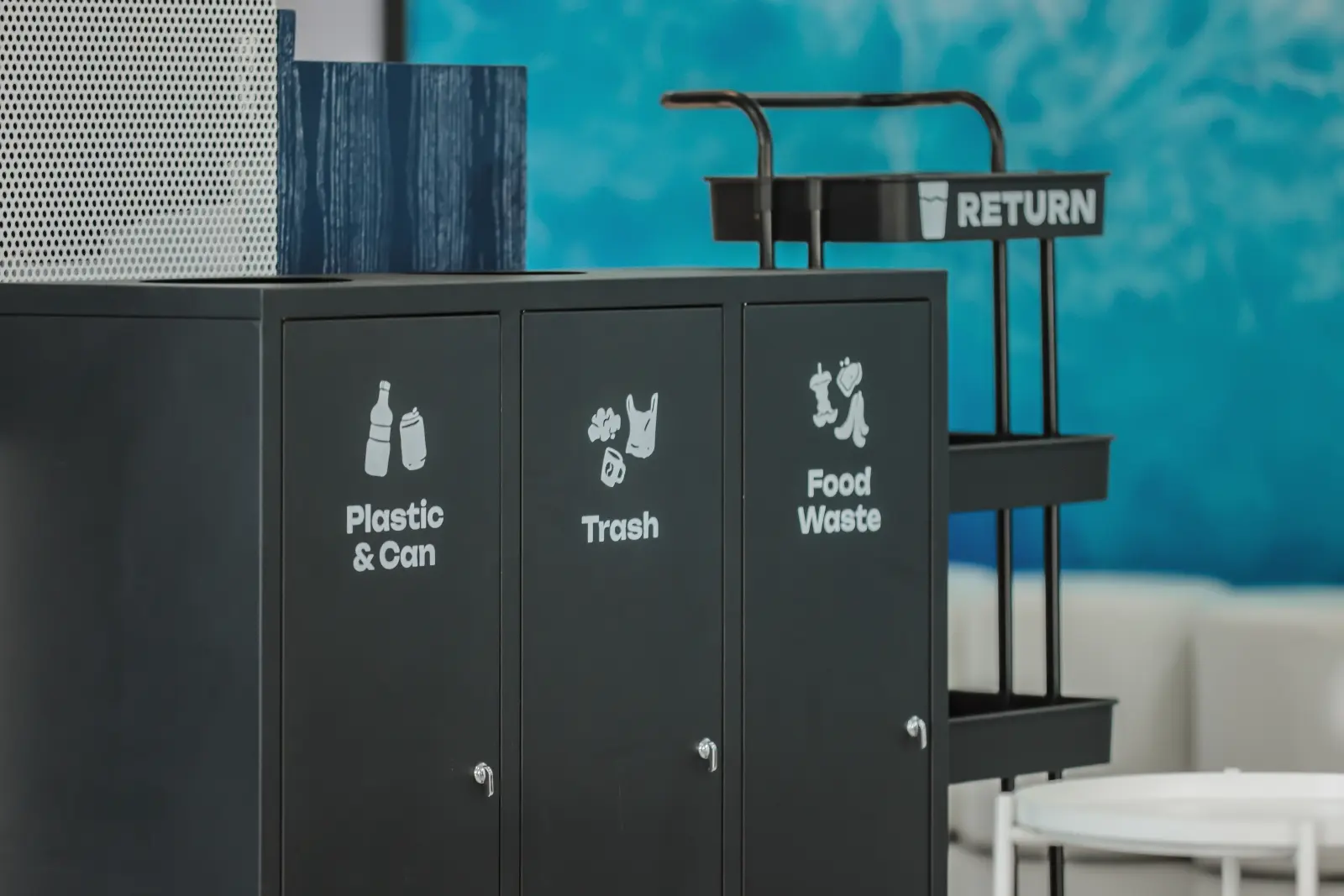
Our approach is to produce as little as possible. We use recyclable bottles and reusable dining ware, and we sort what's left into three bins: plastic and cans, trash, and food waste. Sorting on a moving boat is hard, so our first priority is simple: nothing goes into the sea. Read more on our sustainability page.
Thai guides, local people
Every Andaman Surprise guide is Thai. Thai law requires tour guides to be Thai nationals, and you can check any operator's licence on the DOT lookup (see licensed guides and park fees). Our TAT licence is No. 32/01400. We also take part in local conservation and community activities around Phuket, which we'll cover in a future post.
What guests say
What to bring
- A reusable bottle
- Reef-safe sunscreen
- A hat and swimwear
- A dry bag
- Respect for the reef: don't stand on coral
- Leave drones at home. They aren't allowed in normal circumstances. If you want to ask, contact the national park.
Join our Phi Phi tour
Our Phi Phi & Bamboo Island tour costs ฿3,900 per adult and ฿2,900 per child, with the national park ticket included. Guests rate us 5.0 from 607 Tripadvisor reviews (checked 7 October 2026). Related reading: Bamboo Island guide and things to do in the Phi Phi Islands.
Frequently asked questions