Best Time to Visit Phi Phi Islands — A Month-by-Month Guide
The good news is that the Andaman's seasons follow a reliable pattern. Once you understand how it works, choosing the best time to visit Phi Phi Islands becomes straightforward. Here's everything you need to know month by month, without the vague answers.
Understanding the Andaman Season
The Andaman Sea operates on a monsoon cycle driven by the southwest and northeast monsoons. For travellers, this means two broadly distinct periods: a dry season that runs from roughly November through April, and a wet season that runs from May through October.
Within those broad strokes, there's real nuance some months within the wet season are perfectly fine for island tours, and some months in peak season are busier and more expensive than others. The calendar below gives you the full picture.
November to April — The Best Time to Visit Phi Phi Islands
This is the window most travellers aim for, and with good reason. The northeast monsoon keeps the Andaman Sea relatively calm, skies are mostly clear, and conditions for snorkeling, swimming, and open sea travel are at their best.
November & December
November is when the Andaman begins its transformation. Seas settle, the air dries out, and the islands emerge from months of cloud and rain looking genuinely lush; the jungle still green from the wet season, the water warming and clear. It's one of the quieter months in peak season, which makes it a strong choice if you want good conditions without the December crowds.
December brings the holiday surge. Phi Phi is at its most visited during Christmas and New Year, which means boats are full, beaches are busy, and prices reflect the demand. If you're travelling in December, book your tour well in advance. The conditions are excellent just plan accordingly.
January & February
January and February are the sweet spot of the Andaman year. Seas are calm and consistent, visibility underwater regularly reaches 15 to 20 metres, and the weather is predictably good day after day. These are also the months when the northeast wind brings a pleasant breeze that makes the boat ride out more comfortable than the still, humid days of early dry season.
February in particular is a favourite for couples; quieter than January, still excellent conditions, and a pace that feels a little more unhurried. If you have flexibility on timing, February is the month we'd point to first.
March & April
Conditions remain good through March and into April, though April marks the beginning of the transition. The northeast monsoon weakens, seas can pick up slightly toward the end of the month, and temperatures rise. Songkran (Thai New Year) falls in mid-April and brings a wave of domestic travellers to the region.
March is an excellent month to visit. April is still very doable, with most days being clear and calm, but it's worth booking earlier in the month if possible.
May & June — The Shoulder Season
May and June sit in an interesting position. The southwest monsoon begins to build in May, but the Andaman transitions gradually many days in May are completely clear, seas are calm, and the islands are quieter and cheaper than peak season.
This is genuinely underrated timing. Prices drop, boats are less crowded, and the conditions on a good May day are indistinguishable from February. The risk is variability you might get a perfect run of weather, or you might encounter a few grey, choppy days.
June tends to be more unsettled than May. It's the start of the period where we'd recommend having some flexibility in your schedule in case conditions require rescheduling a departure.
We're always honest with guests about what to expect on their chosen date. If sea conditions aren't suitable for a comfortable, safe journey, we'll communicate that clearly and help you find a better day. Here are a few words from TripAdvisor customers about their travel experiences during the season:
Although I went in rainy season, this was the most fun I had on the trip. If you aren’t used to boat rides take note that the waters can get choppy but I never felt unsafe and was really fun. Definitely don’t miss!
July to October — The Green Season
July through October is the heart of the southwest monsoon. This is when the Andaman earns its reputation for rough weather; swells build, rain comes in more frequently, and some days are simply not suitable for open sea tours to Phi Phi.
That said, the wet season is rarely the wall of rain that people imagine. Many days; particularly in July and early August, have reasonable windows. Afternoons can be stunning after morning showers. And the islands themselves look extraordinary in the wet season: the jungle is intensely green, the sea has a different, deeper quality, and you often have places almost entirely to yourself.
Phi Phi is more affected by the southwest monsoon than Phang Nga Bay. If you're travelling in the wet season and flexibility is limited, our James Bond Island & Panyee Island tour operates more days of the year the bay is more sheltered from open-sea swell and can be a better bet between July and October.
October is typically the roughest month of the year on the Andaman. We'd generally advise against planning a Phi Phi tour around the second half of October unless you have a flexible schedule and are prepared to wait for the right day.
Checkout how Maya Bay reopens each October.
What About the Rain?
Rain in the tropics is different from what most people expect. It rarely rains all day. More commonly, you'll get a heavy shower; dramatic, brief, refreshing and then the sun returns. A rainy morning at the marina can still turn into a beautiful afternoon on the water.
What matters more than rain is sea state. A calm, overcast day is often a better day on the water than a clear, windy one. We check conditions daily and will always give you an honest picture before your departure.
Best Time for Specific Things
For snorkeling: January and February offer the best underwater visibility calm seas mean less sediment in the water and clarity that makes a real difference. March and November are close behind.
For photography: November and December catch the islands at their most photogenic post-wet season greenery against clear skies and turquoise water. The early morning light in February is exceptional.
For avoiding crowds: November, early December, and February before school holidays are the quietest months in peak season. If you're flexible, a Tuesday or Wednesday in late November might be the closest thing to having Phi Phi to yourself.
For families with children: February and March offer the calmest seas and the most predictable weather important when you're planning a day around younger travellers.
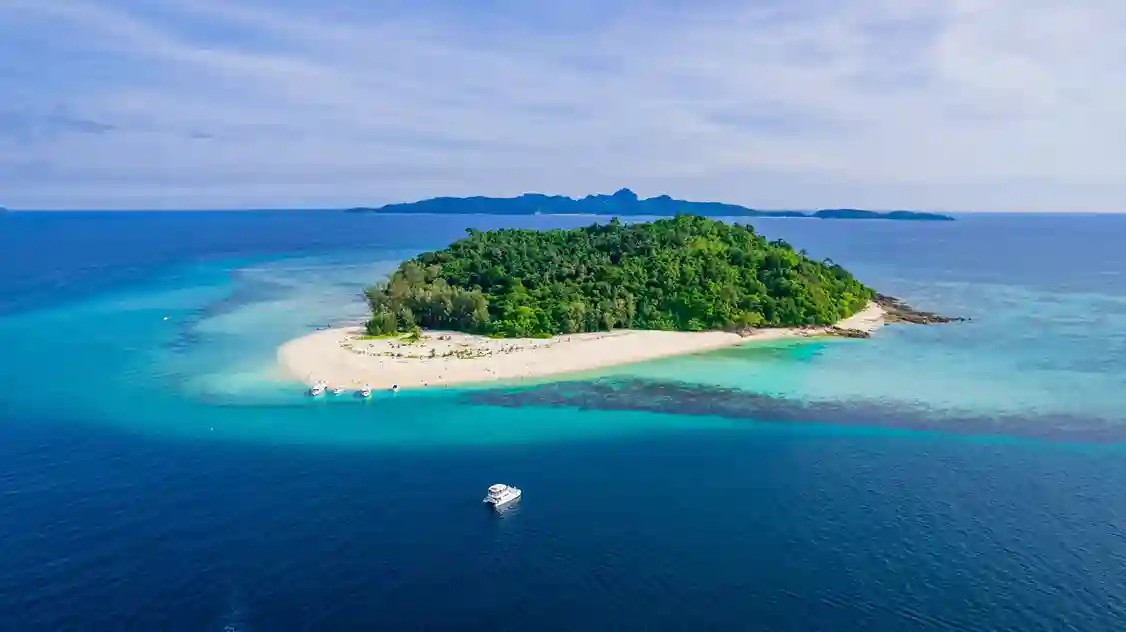
For activities packed options check out full Bamboo Island guide.
What We Recommend
If you can choose freely, aim for February or March. You'll get the Andaman at its most reliable; calm seas, clear skies, excellent snorkeling conditions without the peak-December crowds or prices.
If you're travelling in peak season and already have dates locked in, don't overthink it. November through April is consistently good, and even the busier December period delivers excellent days on the water.
If you're coming in the shoulder or wet season, reach out before you book. We'll give you a straight answer about what to expect and help you pick the best window within your dates.
If you are staying a few days, our guide to where to stay in Phuket for island day trips helps you choose a base.
However you arrive at Phi Phi, the islands are worth it.
Read the rules recap before you visit Phi Phi Island.
Explore our Phi Phi tours and find the right one for your group
Frequently asked questions
What is the best month to visit Phi Phi Islands?
February is consistently the best month; calm seas, clear skies, excellent underwater visibility, and slightly fewer crowds than January. March is a close second and is particularly good for families.
Can you visit Phi Phi Islands in the rainy season?
Yes, but with caveats. July and early August can still offer good days, particularly in the mornings. August through October is more unpredictable, and October is typically the roughest month. Phang Nga Bay tours (James Bond Island) tend to operate more reliably in the wet season than open-sea Phi Phi routes.
When is Maya Bay open and closed?
Maya Bay is typically open to visitors from October through July each year. To protect its fragile ecosystem and support ongoing conservation efforts, the bay usually closes annually from August through September. If you're planning to visit around the closure or reopening period, we recommend checking the latest park announcements before booking your tour.
How far in advance should I book a Phi Phi tour?
During December, January, and public holidays, booking 2–3 weeks ahead is recommended. For the rest of peak season, 5–7 days is usually sufficient. In shoulder and wet season, you often have more flexibility but booking ahead still ensures you get your preferred departure date.
Ready to plan your trip? Browse our Island tours from Phuket or explore the Phi Phi Island & Khai Island and Phi Phi Island & Bamboo Island tours.