

Phuket has a long-standing Muslim community, and halal food is part of everyday eating, especially in Kamala, Cape Panwa, Rawai and parts of Phuket Town. This guide shows the dishes to look for, where the market zones are, and how to check that food is halal. It also explains how to visit a mosque politely.
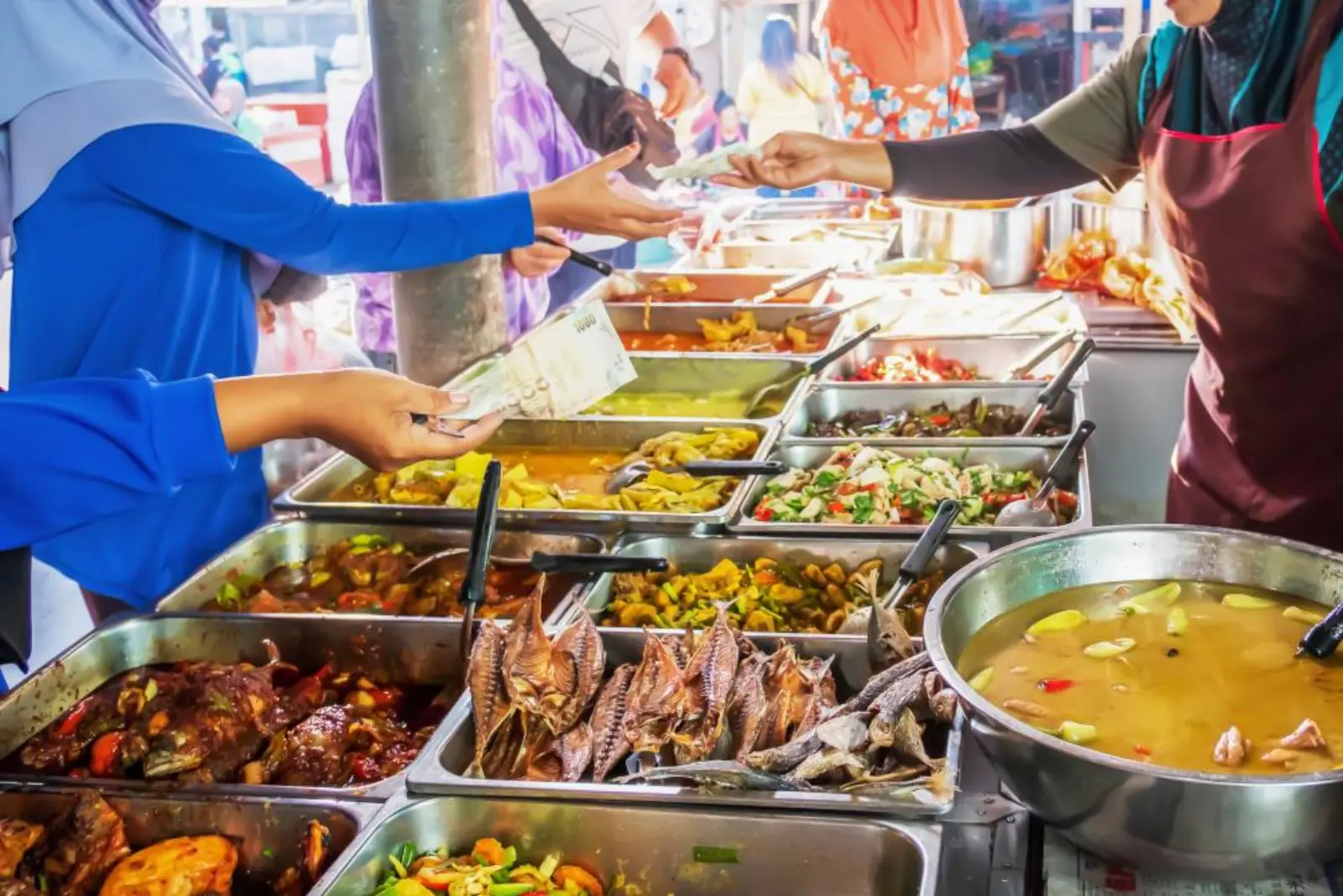
Halal food in Phuket at a glance
Muslim-Thai dishes to look for
- Malay-style fish curry (gaeng gari pla).
- Phuket salad (yam Phuket) with green mango, coconut and dried fish.
- Roti and roti mataba at morning markets.
- Teh tarik, a pulled milk tea that Thais often call "teh Pattani".
See the Phuket local food guide for details of each dish.
How to check that food is halal
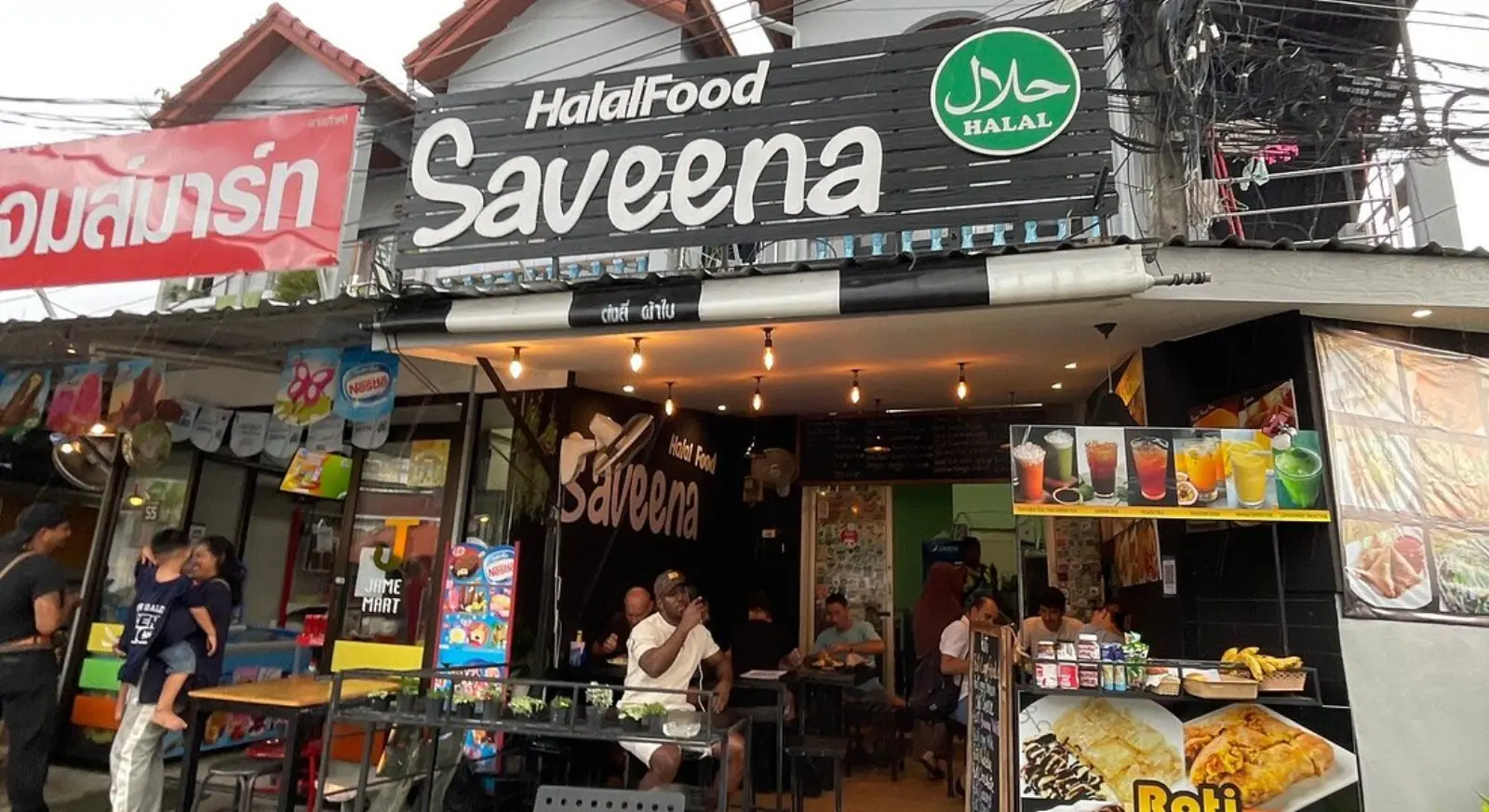
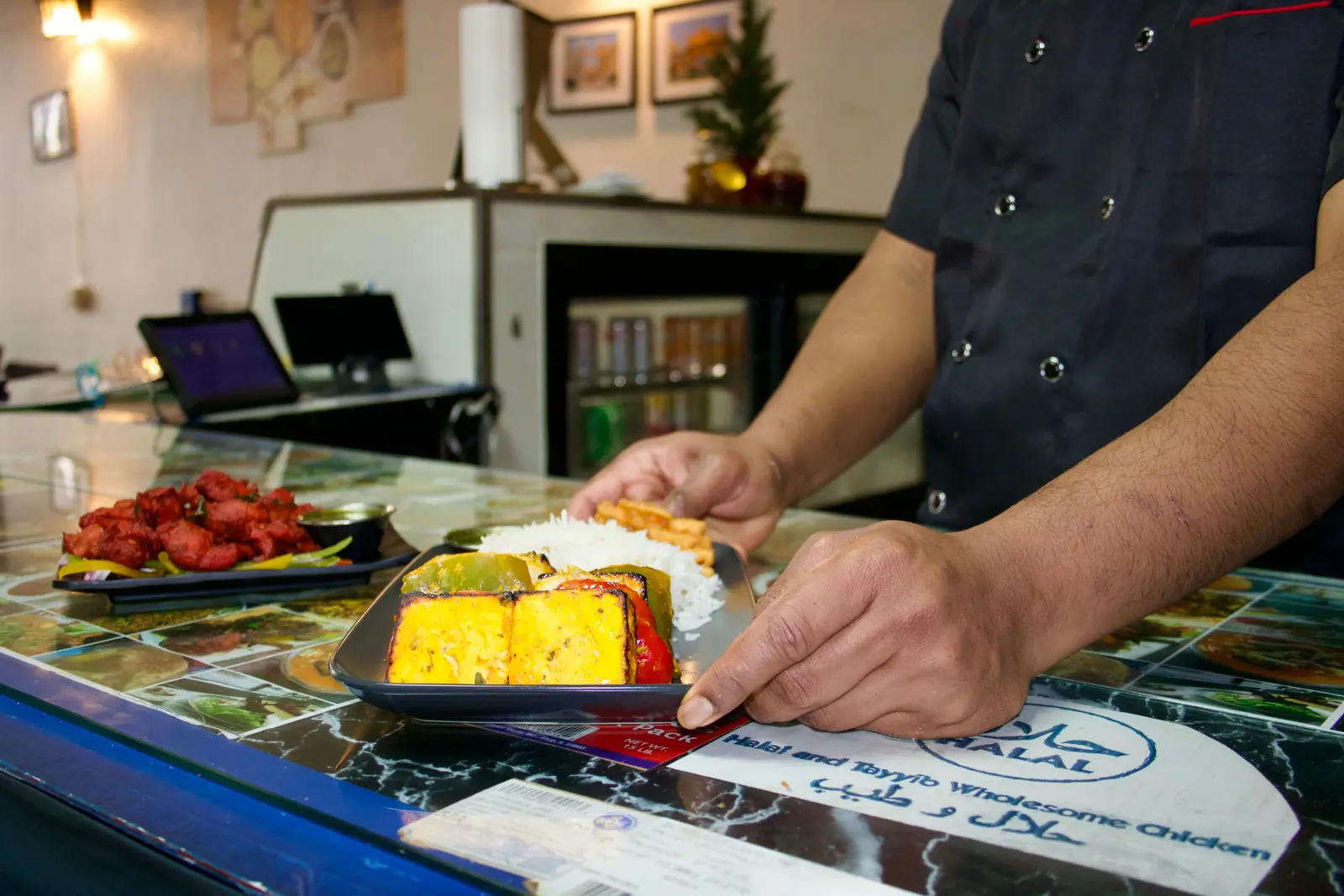
Look for a halal sign or certificate displayed in the restaurant, and ask. A Muslim owner does not always mean a certified kitchen, and certification varies. Halal food festivals in Kamala have required non-Muslim stalls to hold halal certification and trained vendors, which shows how seriously it is taken.
Where the halal food zones are
- Kamala village: Kamala guide.
- Cape Panwa: Cape Panwa guide.
- Rawai: Rawai guide.
- Phuket Town near the central market area: Phuket Old Town guide.
Visiting a mosque politely
Phuket has mosques in Phuket Town, Kamala, Cape Panwa, Rawai, Patong and elsewhere. Ask first before entering, dress modestly, remove your shoes, and avoid prayer times, especially Friday midday. A university heritage site lists Yameay Mosque in central Phuket Town as open from about 4 am to 8 pm, with women asked to wear a head covering. Check with the community before you go.
Pork and halal side by side
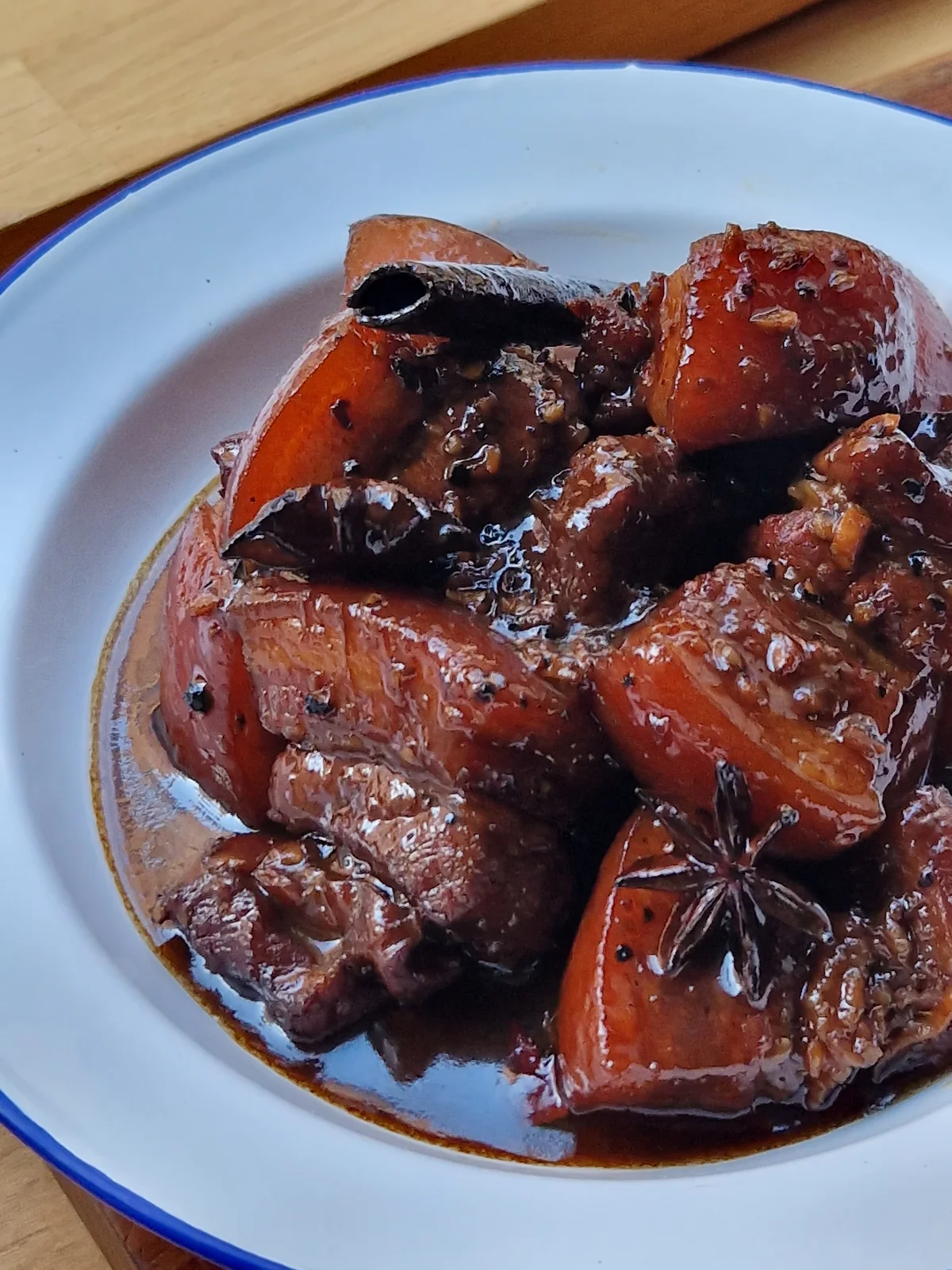
Many popular Old Town dishes contain pork. Our guide to pork in Phuket cuisine labels them so everyone can choose.
On our tour
If you need halal food on a boat day, contact us before you book via our contact page. Our Phi Phi tour includes a buffet-style lunch with local dishes.
Return to the master Phuket areas, history and food guide.


